
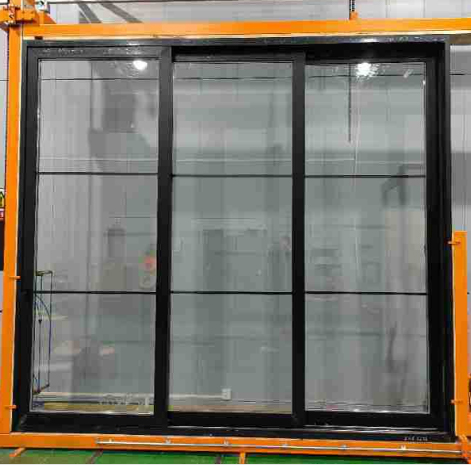
In the face of increasing raw material prices and shifting market dynamics, aluminium manufacturers are navigating a complex landscape that demands innovation, quality, and customer-centric solutions. Over the past 15 years, some industry leaders have steadfastly committed to meeting evolving consumer needs by developing advanced products that not only meet but anticipate market trends. This includes a focus on producing stronger, safer, and smarter doors and windows that emphasize high-end quality and user-friendly design.
### The Rising Cost of Aluminium Manufacturing
The cost pressures faced by aluminium manufacturers have become a significant concern in recent times. Several factors contribute to these increases, including volatile raw material prices, energy expenses, and supply chain disruptions. Aluminium, a critical material used extensively in the construction and manufacturing sectors, has seen price fluctuations that can directly impact production costs and final product pricing.
Producers must now balance these rising costs while maintaining product quality and competitiveness in a market that increasingly values innovation and sustainability. The need for resource efficiency and environmental responsibility further complicates manufacturing processes, requiring investment in advanced technologies and greener materials.
### Commitment to Innovation and Customer Needs
For more than a decade, some companies have distinguished themselves by continuously adapting to the changing market and enhancing their product offerings. They have embraced a philosophy centered on customer satisfaction, emphasizing products that are not only durable but also tailored to enhance user experience.
This approach reflects a broader trend in the industry, where manufacturers are shifting from purely cost-driven production to value-driven development. The focus has expanded beyond price and availability to consider product functionality, aesthetics, and environmental impact.
### Advancing Doors and Windows: Strength, Safety, and Intelligence
A prominent example lies in the evolution of aluminium alloy doors and windows — both indoor and outdoor varieties — which are seeing rapid advancements. Manufacturers have increasingly prioritized creating solutions that guarantee strength and safety without compromising design appeal.
Innovation in this sector includes reinforced structural elements that improve durability against harsh weather and physical impacts, as well as enhanced locking mechanisms that bolster security. Alongside these functional improvements, there is a growing trend toward incorporating “smart” features, such as automated opening systems, integrated sensors, and connectivity with home automation platforms.
### High-End Quality and User-Friendly Design as Market Differentiators
In an increasingly crowded marketplace, high-end quality and user-friendly design have become key differentiators. Manufacturers that succeed in combining robust construction with sleek, modern aesthetics appeal to discerning consumers and commercial clients alike.
User-friendly design involves intuitive operation, ease of installation, and low maintenance requirements. These factors not only improve customer satisfaction but also reduce long-term costs associated with repairs and replacements.
The commitment to high-end quality also means rigorous quality control measures, investment in premium materials, and adherence to international standards. All these efforts serve to build brand reputation and foster customer loyalty, which are critical in an environment of rising raw material costs.
### Driving the Industry Forward
The aluminium manufacturing industry’s ability to innovate and adapt plays a crucial role in driving the broader market forward. By focusing on advanced, sustainable products and responding to customer demands for smarter, safer, and more attractive doors and windows, manufacturers help set new benchmarks for quality and performance.
This trend contributes to the wider adoption of aluminium solutions in construction, renovation, and architectural projects, where the material’s strength-to-weight ratio, corrosion resistance, and recyclability are invaluable.
### Looking Ahead: Navigating Challenges and Opportunities
While rising costs present immediate challenges, they also encourage manufacturers to explore efficiencies and novel approaches to design and production. Embracing digital manufacturing technologies, such as automation and precision engineering, can mitigate some cost pressures through improved resource utilization.
Furthermore, strategic sourcing and long-term supplier partnerships may help stabilize input prices and ensure supply chain resilience. Investments in research and development drive continuous improvements that yield products aligned with the future expectations of sustainability, safety, and convenience.
### Conclusion
As the aluminium manufacturing sector confronts increasing cost pressures, companies that prioritize innovation, quality, and user experience position themselves for sustained success. Over the past 15 years, adherence to these principles has enabled leading manufacturers to meet and exceed customer needs through products that are increasingly strong, safe, smart, and designed with the end-user in mind.
The evolution of aluminium alloy doors and windows typifies this progress, highlighting the potential to transform everyday infrastructures with advanced technology and superior craftsmanship. Moving forward, these industry pioneers will play a pivotal role in defining the next generation of aluminium products that combine aesthetic appeal with functionality and environmental responsibility.